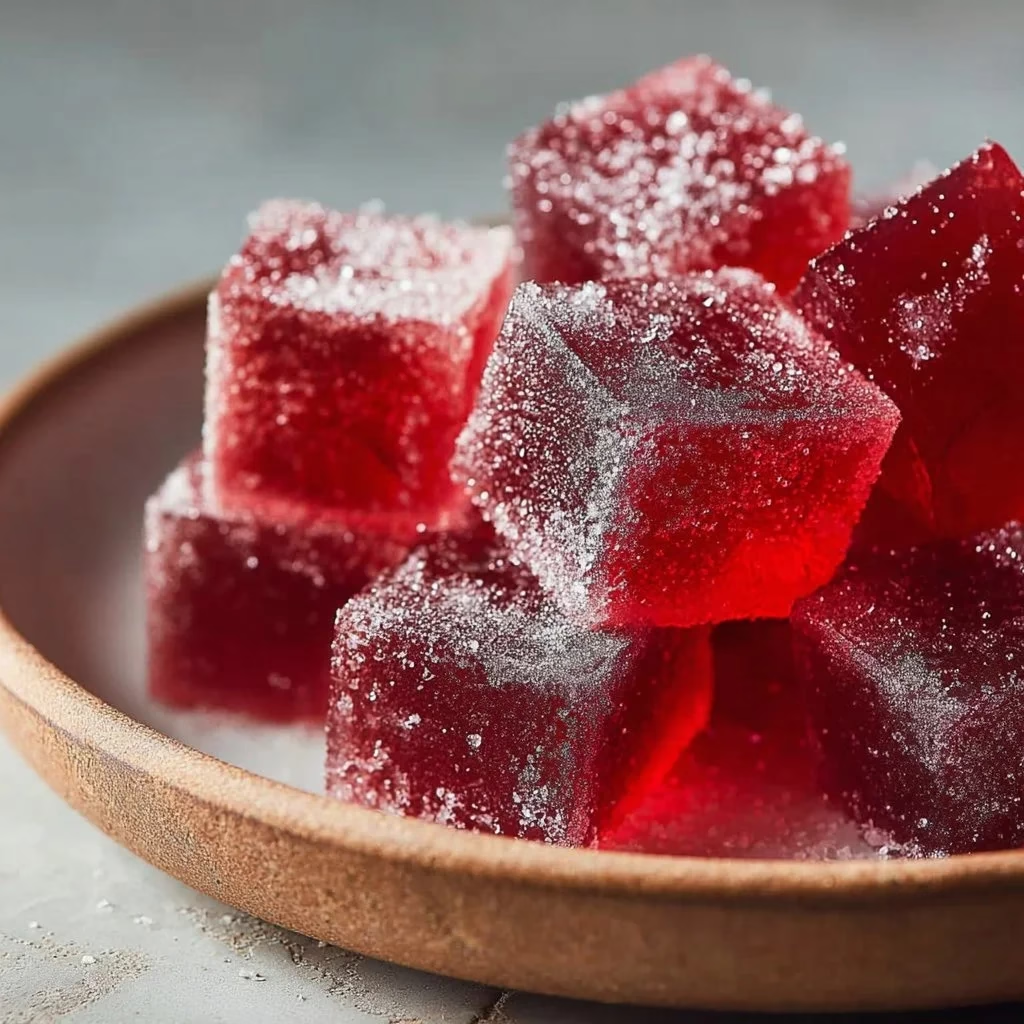
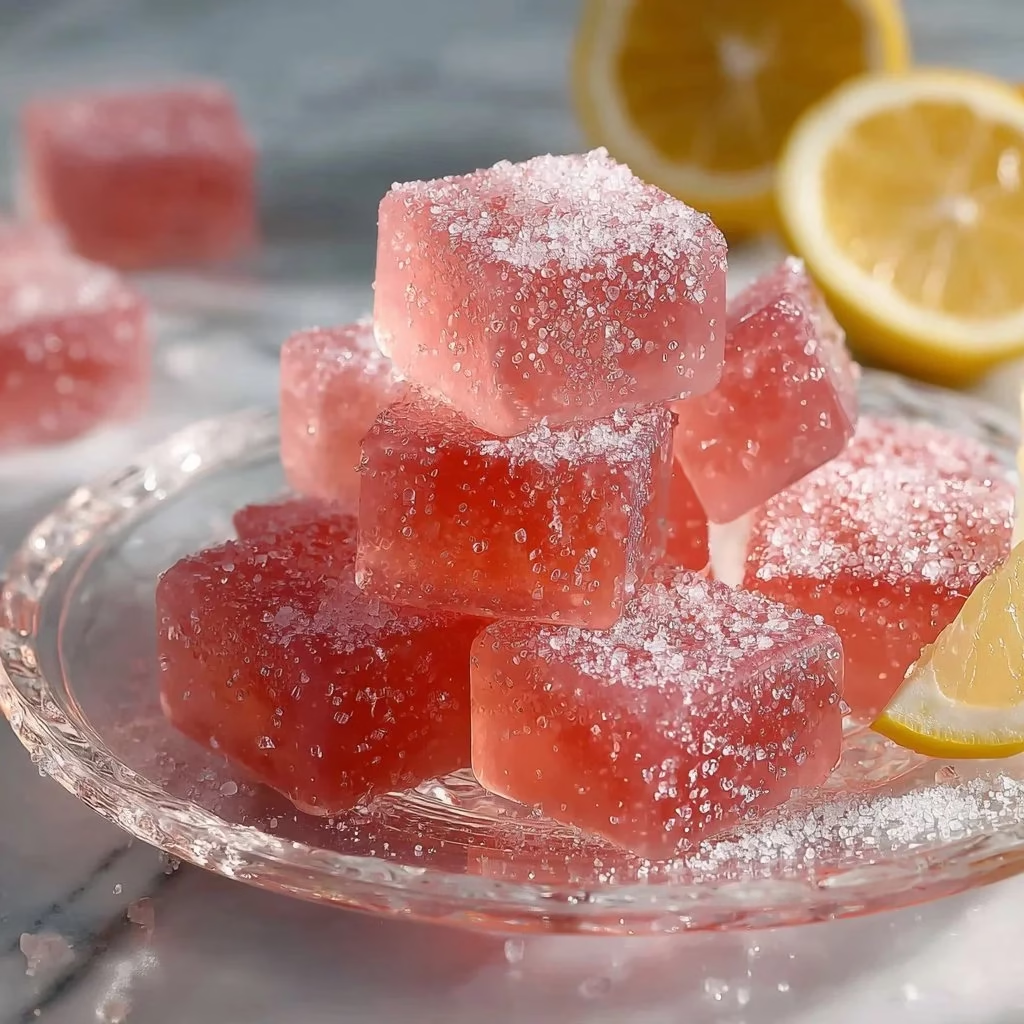
Lemon Gelatin is a simple, citrusy gel that many people turn to as a light snack or nighttime tonic to help manage appetite and support weight loss routines. It combines tart lemon flavor with a silky, slightly wobbly texture and a cool, refreshing temperature that feels crisp on the palate; the aroma is bright and lemony without being overpowering. People often use it because gelatin can add bulk with few calories and may help reduce cravings while keeping you hydrated. If you enjoy clean, mildly sweet treats, this easy preparation might become a go-to in your routine—read on and decide how to make it your own.
What Is Lemon Gelatin?
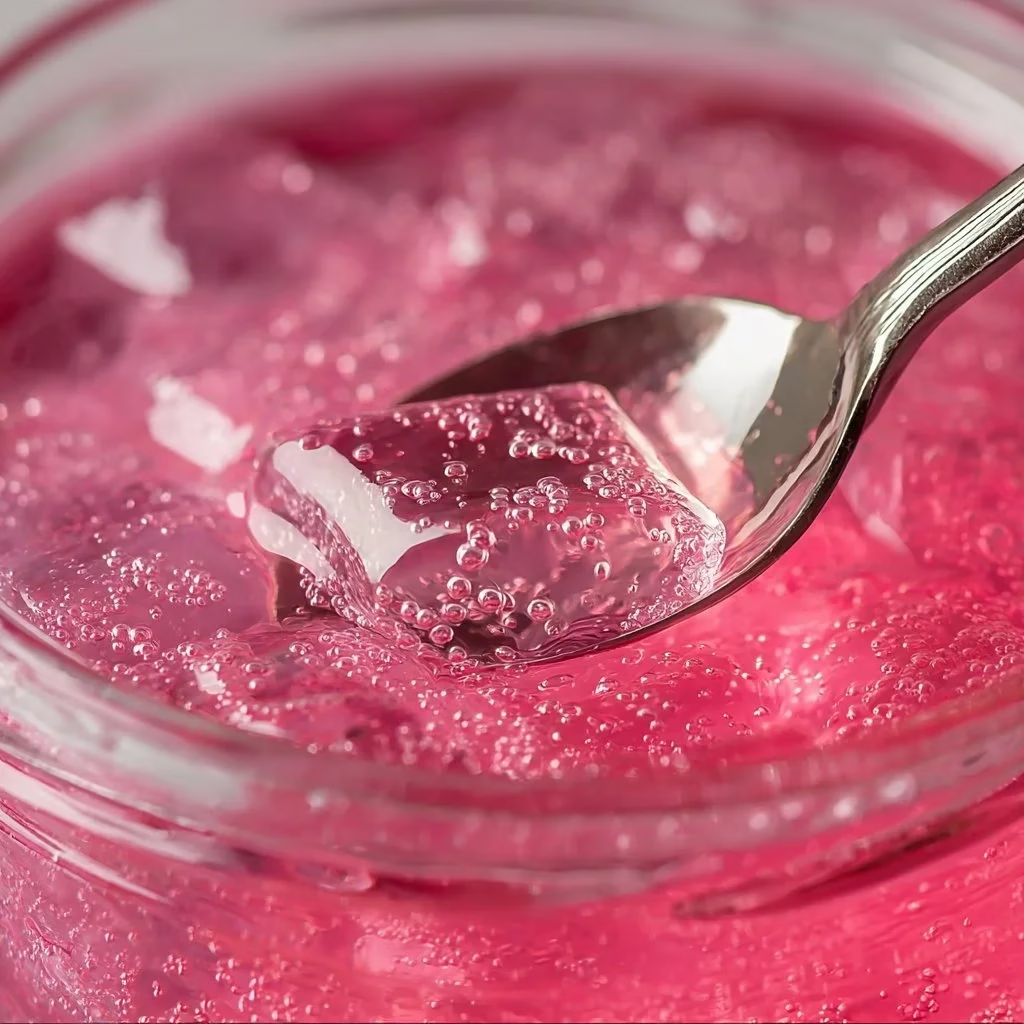
Lemon Gelatin is a flavored gel made by dissolving gelatin powder in water and lemon juice, often sweetened lightly or left nearly unsweetened for a low-calorie option. The base ingredient, gelatin, is a protein derived from collagen that sets liquids into a soft gel; in this recipe it carries lemon’s acidity and aroma, producing a bright, firm yet tender dessert or snack with a smooth mouthfeel.
People often use lemon gelatin for slimming because a portion can feel satiating without many calories, and the act of chewing or spooning a gel can slow intake compared with drinking a sweet beverage. Some users pair it with habitual timing or use it as a controlled treat to curb late-night cravings. Small health notes: gelatin is a source of protein but is not a complete protein, and lemon adds vitamin C but not in large amounts; always view this as one small part of an overall balanced diet. For a related take that concentrates on a tonic version, see this lemon gelatin tonic which offers an alternate preparation.
Why People Love This Method for Weight Loss
Many people appreciate that lemon gelatin is straightforward to make, customizable for taste preferences, and easy to portion-control, which helps those trying to reduce overall calorie intake. It also plays well with busy schedules since it can be prepared ahead and stored for several days.
- Simple ingredients that are easy to keep on hand, minimizing grocery trips.
- Low cost per serving compared with many packaged snacks or desserts.
- Fits into routines as a quick snack or post-meal palate cleanser that helps reduce the urge for richer treats.
- Helps with hydration when prepared with extra water, especially helpful in warmer months.
- Can help satisfy sweet cravings with less sugar than many desserts.
In some variations, people follow the approach explained in this three-ingredient gelatin recipe to keep things minimal and effective.
Ingredients
- Gelatin powder (unflavored) — provides the gelling structure; use powdered or sheet gelatin according to package instructions.
- Fresh lemon juice — gives bright acid flavor and aroma; bottled juice can substitute in a pinch, though the taste is fresher with fresh lemons.
- Water — the main liquid; hot water is used to dissolve gelatin while cold water chills it to set.
- Sweetener (honey, stevia, or sugar) — optional to taste; use a low-calorie sweetener for fewer calories.
- Pinch of salt — enhances the lemon flavor; optional but recommended.
- Lemon zest (optional) — adds aromatic oils for a more intense lemon profile and a slightly textured appearance.
For more creative ingredient ideas and swaps, check this three-ingredient trick that highlights simple substitutions.
How to Make It (Step-by-Step)
Overview: Making lemon gelatin is fast: bloom gelatin, dissolve it in hot liquid, add lemon and sweetener, then chill until set. The textures range from softly wobbly to firm depending on gelatin amount and chilling time. Use well-rinsed molds or a shallow dish for easier portioning. Below are clear steps with tips for beginners and sensory cues to watch for.
- Measure and bloom the gelatin. Sprinkle 2 teaspoons of powdered gelatin over 1/4 cup of cold water in a small bowl and let it sit for 3 to 5 minutes until it swells and becomes spongy. This bloom step ensures a smooth set without grains.
- Heat the liquid. In a saucepan, warm 1 cup of water until it is steaming but not boiling, about 160 to 180 degrees F if using a thermometer; remove from heat. You should see small steam wisps and feel the warmth when you hover your hand above the pan.
- Dissolve the gelatin. Stir the bloomed gelatin into the hot water until completely dissolved, about 30 to 60 seconds, with the mixture turning clear and slightly glossy. If you see any bits, keep stirring gently until they disappear.
- Add lemon and sweetener. Stir in 1/3 cup fresh lemon juice, your chosen sweetener to taste, and a pinch of salt. Taste the warm mixture and adjust sweetness; it will taste slightly less sweet once chilled.
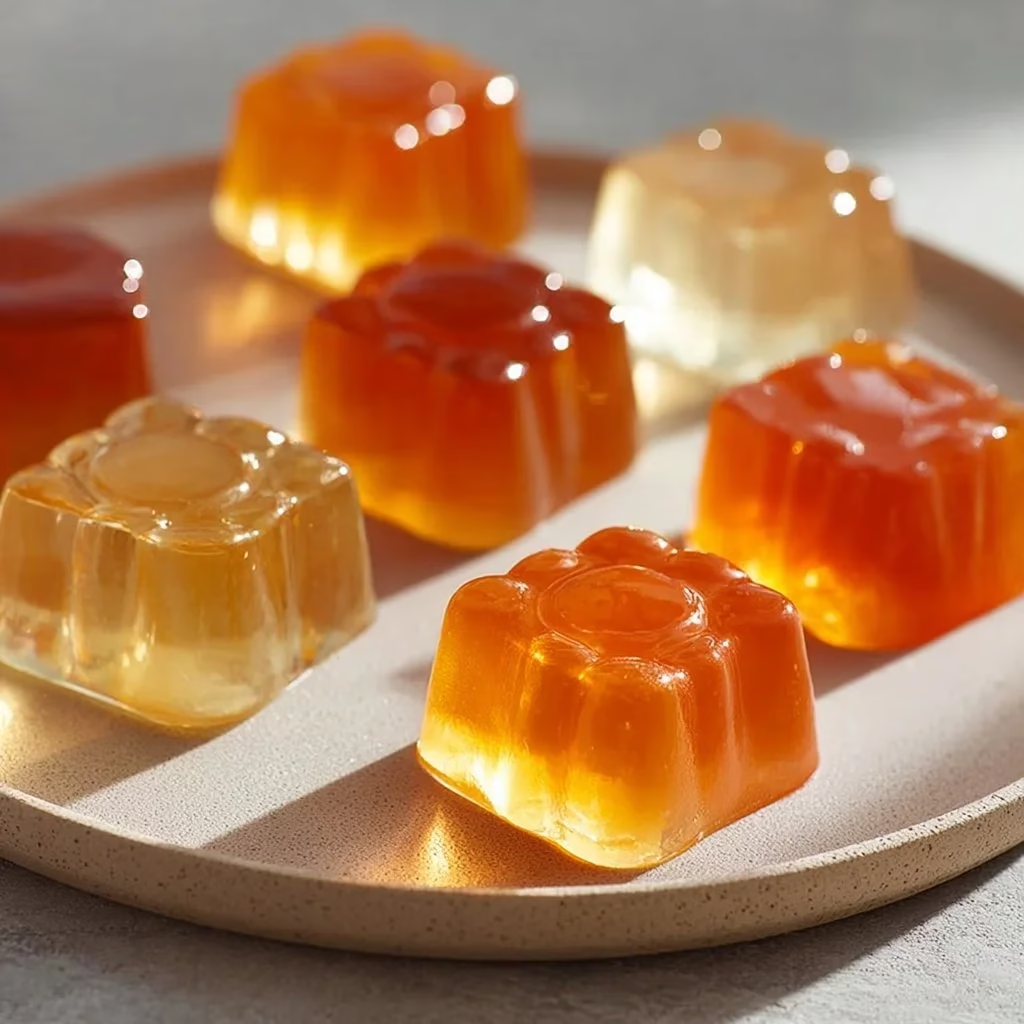
- Cool briefly, then chill. Let the mixture cool to room temperature for 10 minutes so it does not sweat in the fridge, then pour into molds or a shallow dish and refrigerate for at least 2 hours until set. The gel should look translucent and jiggle slightly when nudged.
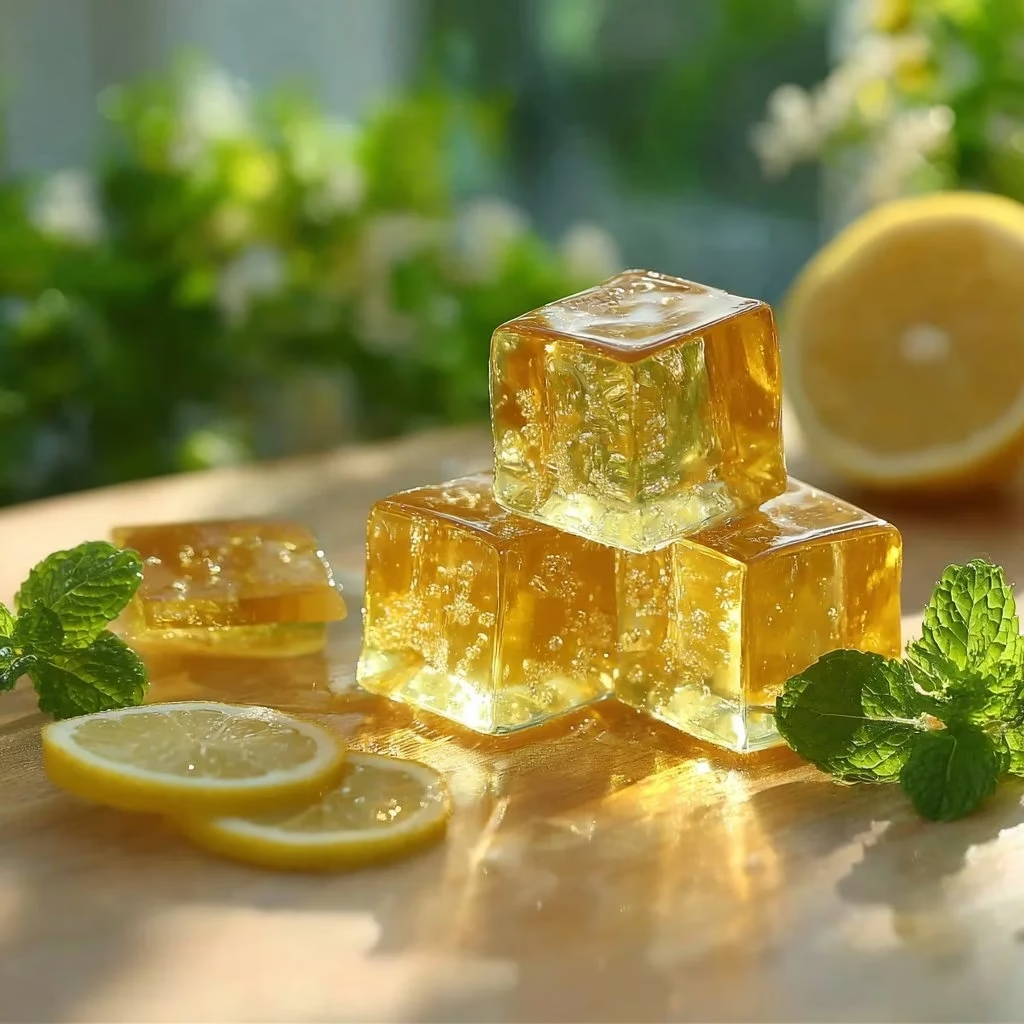
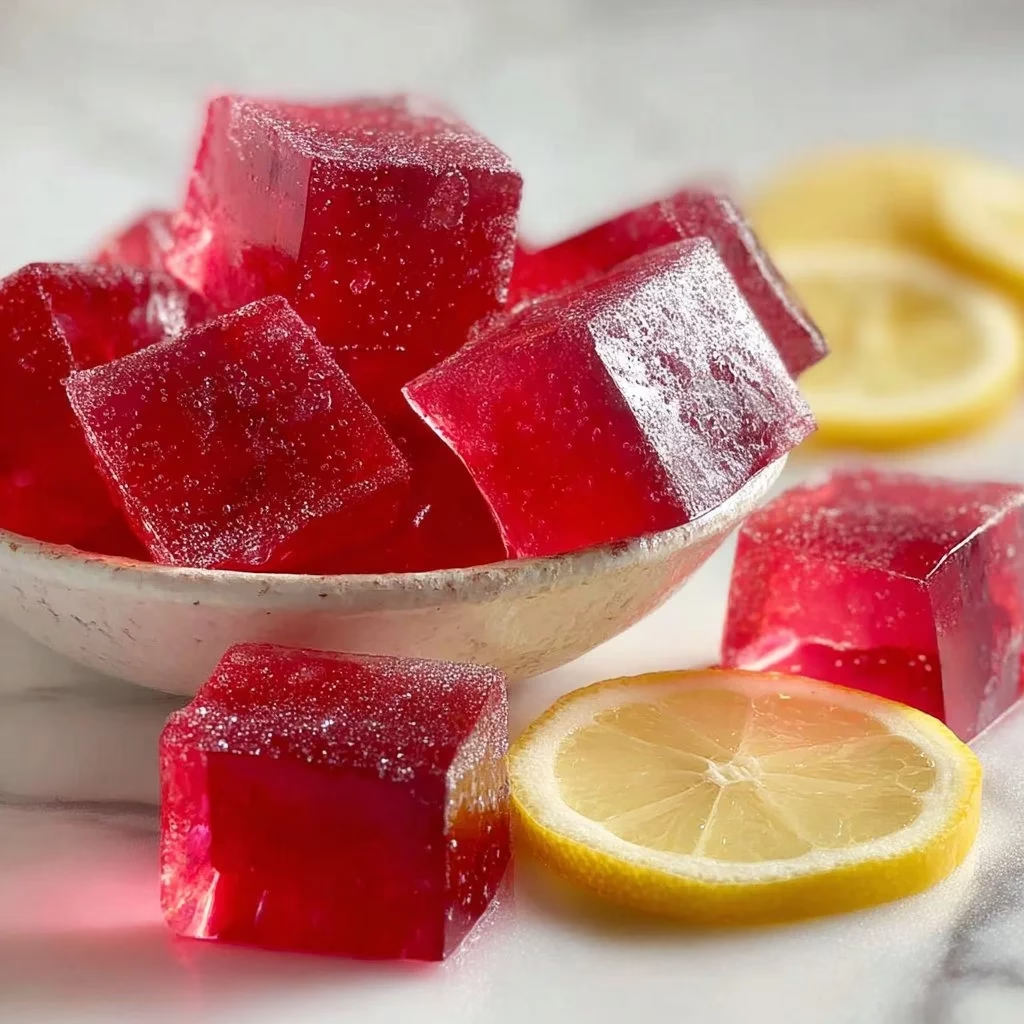
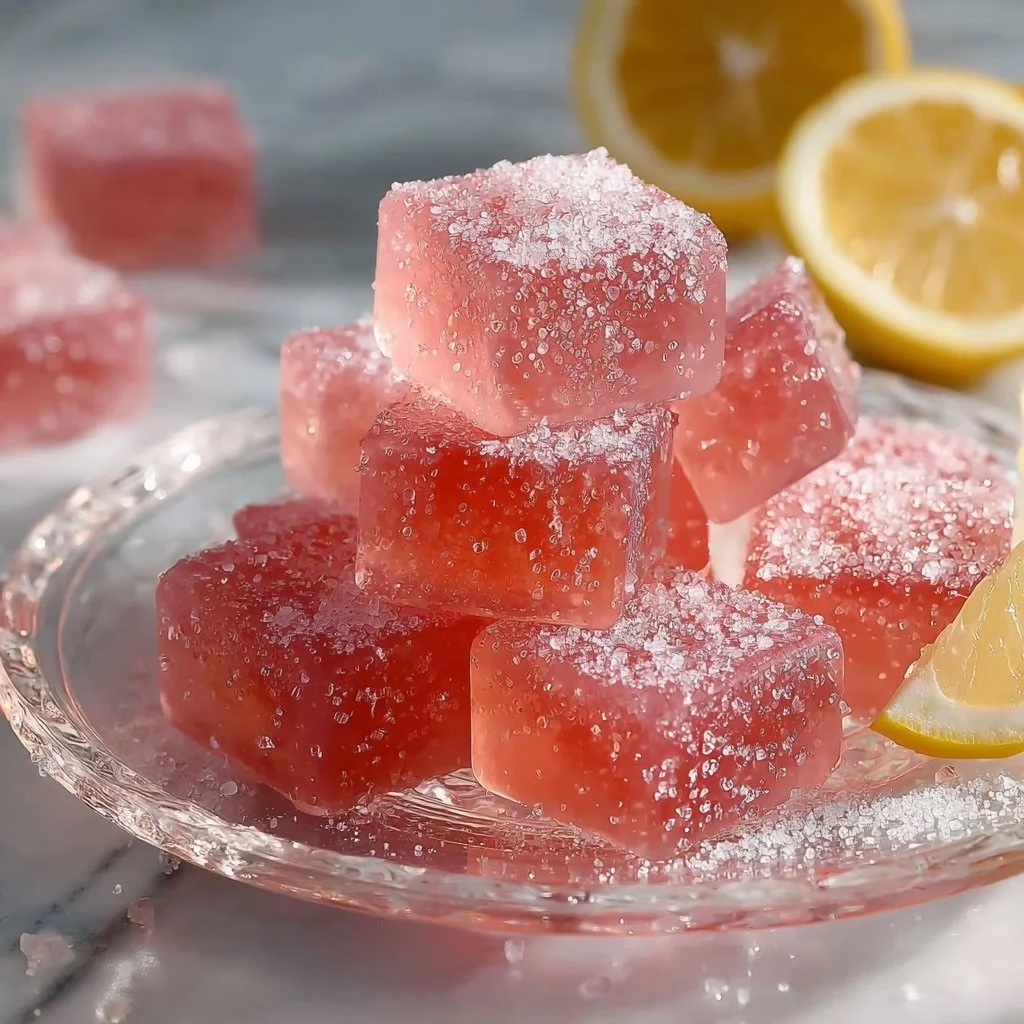
- Portion and serve. Use a small spoon or a knife to cut into portions; for a firmer texture, chill longer and for a softer texture, unmold after the minimum time. Serve cold; garnish with lemon zest or a sprig of mint for aroma and visual appeal.
- Store leftovers. Cover and refrigerate for up to 4 to 5 days; the texture may become slightly firmer over time but will retain flavor.
For a variation that includes vinegar and additional health angles, you may find inspiration in this apple cider vinegar gelatin approach.
How to Use It for Better Weight Loss
Used thoughtfully, lemon gelatin can be a practical tool to reduce calorie intake and manage hunger cues. Eat a small portion as a pre-meal snack to help curb appetite, or enjoy one as a low-calorie dessert to satisfy a sweet tooth without derailing dietary goals. Combining it with protein or fiber at meals will provide more balanced satiety. Always listen to your own body signals and adjust portion sizes to fit your daily calorie target and nutritional needs.
- Timing: Try a small serving 20 to 30 minutes before a main meal to test whether it reduces your meal intake.
- Portions: Keep portions to 1/2 to 1 cup; measure to avoid underestimating calories from added sweeteners.
- Frequency: Use it a few times a week rather than every day while you evaluate how it affects your appetite.
- Daily habits: Pair with water and a balanced meal plan that includes vegetables, lean protein, and whole grains.
- Safety: If you have food allergies or medical conditions, consult a professional before adding regular gelatin snacks.
Tips & Variations
Lemon gelatin is very adaptable and works with different sweeteners, textures, and serving styles to match dietary preferences and calorie goals. Adjust gelatin amount for a softer or firmer set, swap sweeteners for lower calories, and add complimentary flavors like ginger or mint for variety.
- Low-calorie option: Use a no-calorie sweetener such as stevia or erythritol and increase water-to-juice ratio slightly to reduce sugars.
- Flavor options: Add a teaspoon of grated ginger or a few crushed raspberries before chilling for a layered flavor profile.
- Diet-friendly swaps: Use coconut water instead of plain water for extra electrolytes but watch the added sugars.
- Texture change: For a creamier mouthfeel, blend in a dollop of plain Greek yogurt after the gel sets and serve as a mousse.
- Kid-friendly: Use fun molds and reduce acidity slightly to make a milder flavor for children.
You can also explore a minimalist approach in this three-ingredient gelatin trick to keep things simple.
Mistakes to Avoid
Making lemon gelatin is forgiving, but some common missteps can affect texture and flavor. Avoid skipping the bloom step or adding gelatin to cold liquid, since undissolved powder leads to grainy spots. Also, adding lemon juice to very hot gelatin can reduce the set if acidity is extreme, so cool slightly before adding acidic ingredients. Keep these fixes in mind for the best results.
- Skipping bloom: If you skip dissolving gelatin first, it may clump; always bloom in cold water first.
- Pouring into a warm fridge dish: If the container is warm, condensation can water down the set; cool the mixture slightly before pouring.
- Over-sweetening: Remember flavors mute when chilled; add sweetener gradually and taste after it has cooled a bit.
- Using too little gelatin: If the gel never firms, you may need to increase gelatin by 1/4 teaspoon per cup of liquid next time.
- Storing uncovered: If left uncovered, the surface can dry; cover with plastic wrap for best texture.
FAQs
Q: Can I prepare lemon gelatin ahead of time?
A: Yes, lemon gelatin is ideal for make-ahead planning; prepare it up to 4 to 5 days before serving and store covered in the refrigerator. Keep portions in an airtight container to preserve texture and prevent odor absorption from the fridge. For best flavor, consume within the first few days.
Q: How should I store leftover lemon gelatin?
A: Store leftovers in an airtight container in the refrigerator for up to 4 to 5 days to maintain freshness and texture. Avoid freezing, as thawing can change the gel’s consistency and make it waterlogged.
Q: What are good substitutions for sugar?
A: Natural low-calorie sweeteners like stevia, monk fruit, or erythritol work well in lemon gelatin and keep calories low while preserving the tart lemon profile. If you prefer natural sugar, small amounts of honey or maple syrup can be used, but adjust portions to account for extra calories.
Q: When is the best time to eat lemon gelatin for weight loss?
A: Many people find it useful before meals to curb hunger or after dinner as a low-calorie dessert to satisfy cravings. Experiment with timing—some prefer it as an afternoon snack to avoid late-night overeating.
Q: Is lemon gelatin safe for everyone?
A: For most people, homemade lemon gelatin is safe as a moderate, occasional snack; however, those with allergies to gelatin or certain medical conditions should take caution. If you are pregnant, breastfeeding, on medications, or managing a medical issue, consult your healthcare provider before making it a regular part of your routine.
Final Thoughts
Lemon gelatin offers a bright, refreshing option for people looking to add a low-calorie, satisfying snack into their weight loss toolkit. Its texture is pleasantly smooth, its flavor is tangy and uplifting, and it can slot easily into busy lives thanks to simple prep and storage. While not a magic solution, it can help control cravings and provide a small protein boost when used sensibly within a balanced diet. Try it and tell me how it worked for you!
Conclusion
For a basic lemon jello method and variations, this DIY Lemon Jello guide from Domestic Dreamboat offers step-by-step ideas. If you prefer naturally sweetened options, see this Naturally Sweetened Homemade Lemon Jello for alternatives. Mommypotamus provides a family-friendly take in their Naturally Sweetened Lemon Jello Recipe with clear ingredient notes. For a recipe using real juice and simple techniques, check out Homemade Lemon Jello (With Real Juice!) from Jellojoy. If you want a lighter, elegant version, Gemma at Bigger Bolder Baking shows a citrus gelée in her Light & Refreshing Lemon Gelée post.
The information provided in this article is for educational purposes only and should not be considered medical advice. Everyone’s body is different, and what works for one person may not work for another. It’s always best to speak with your healthcare provider before making this a daily habit, especially if you are taking medications, managing a medical condition, or are pregnant or breastfeeding. Always consult your doctor for personalized guidance.
PrintLemon Gelatin
A refreshing and low-calorie lemon gelatin that’s easy to make and perfect for weight management.
- Prep Time: 10 minutes
- Cook Time: 0 minutes
- Total Time: 120 minutes
- Yield: 4 servings 1x
- Category: Dessert
- Method: Chilling
- Cuisine: American
- Diet: Low-Calorie
Ingredients
- 2 teaspoons unflavored gelatin powder
- 1/4 cup cold water
- 1 cup hot water
- 1/3 cup fresh lemon juice
- Sweetener (honey, stevia, or sugar) to taste
- A pinch of salt (optional)
- Lemon zest (optional)
Instructions
- Measure and bloom the gelatin. Sprinkle gelatin over cold water and let it sit for 3 to 5 minutes.
- Heat the liquid. Warm water until steaming and then remove from heat.
- Dissolve the gelatin in hot water until completely clear.
- Add lemon juice, sweetener, and salt to the mixture.
- Cool briefly, then pour into molds or a shallow dish.
- Refrigerate for at least 2 hours until set.
- Portion and serve cold, garnished if desired.
Notes
Store leftovers in an airtight container for up to 4 to 5 days. Adjust sweetener to taste before chilling.
Nutrition
- Serving Size: 1 serving
- Calories: 60
- Sugar: 2g
- Sodium: 50mg
- Fat: 0g
- Saturated Fat: 0g
- Unsaturated Fat: 0g
- Trans Fat: 0g
- Carbohydrates: 15g
- Fiber: 0g
- Protein: 2g
- Cholesterol: 0mg
Keywords: gelatin, lemon, dessert, low-calorie, weight loss, refreshing