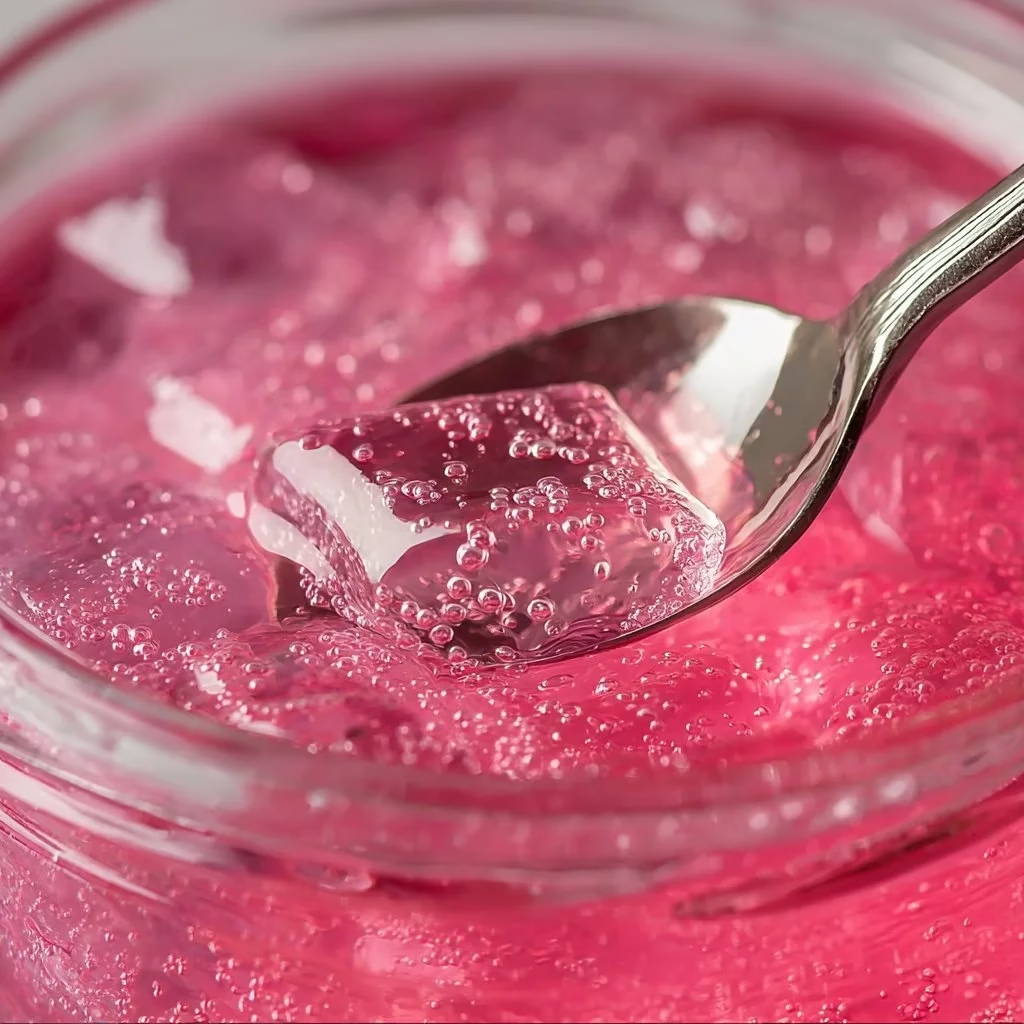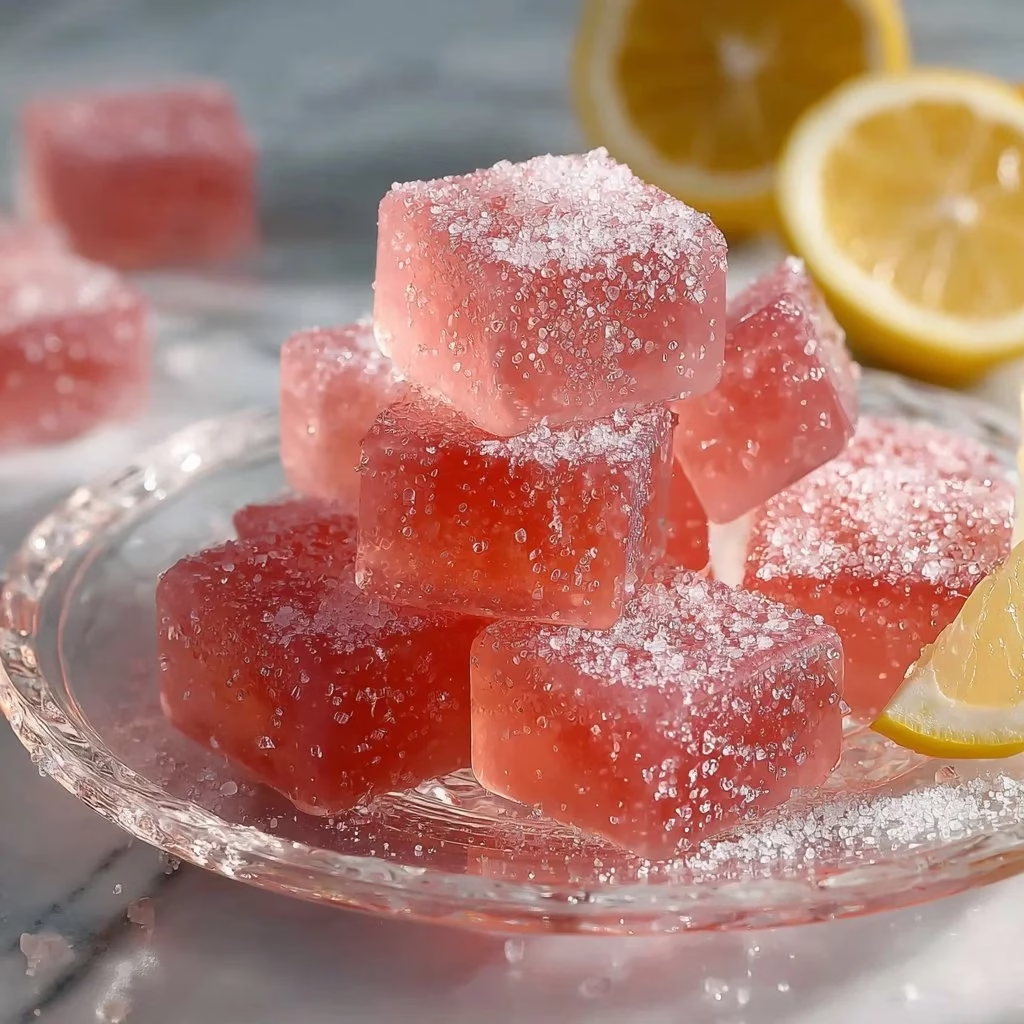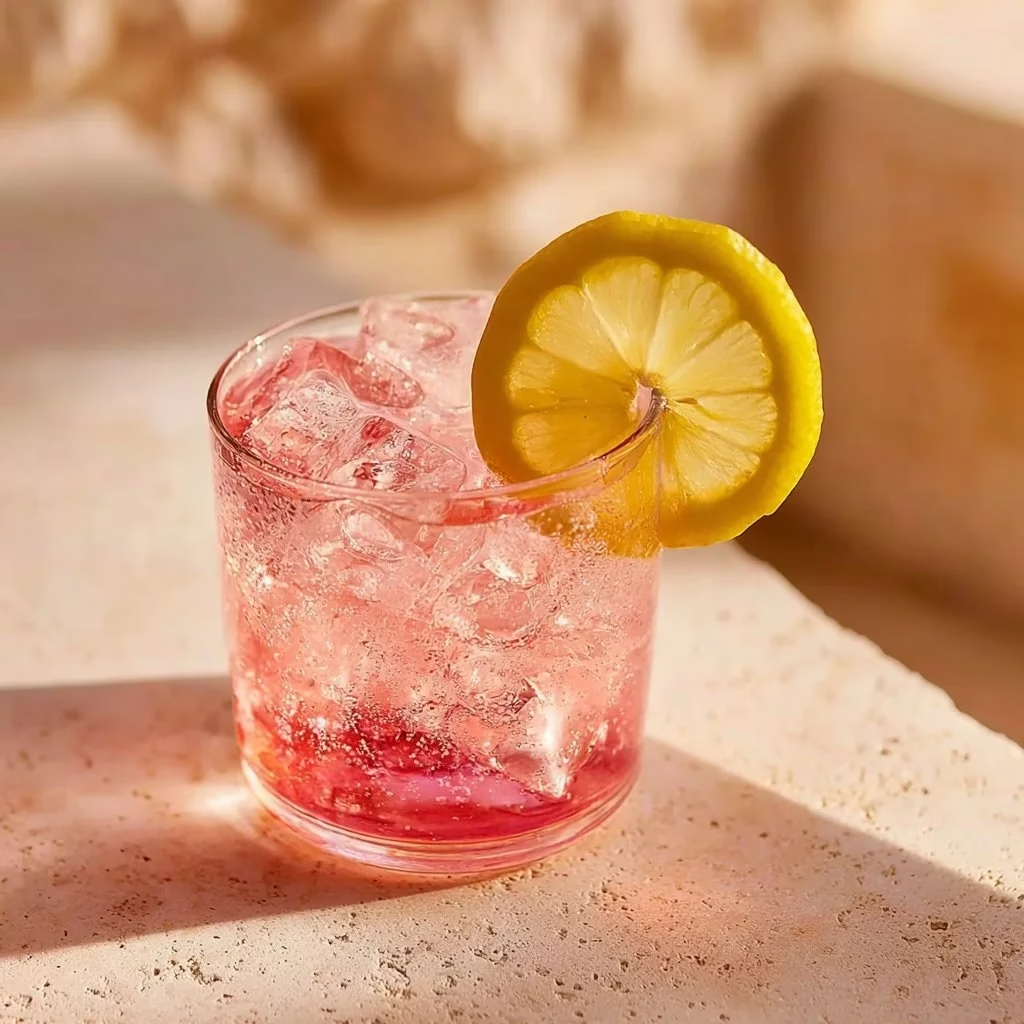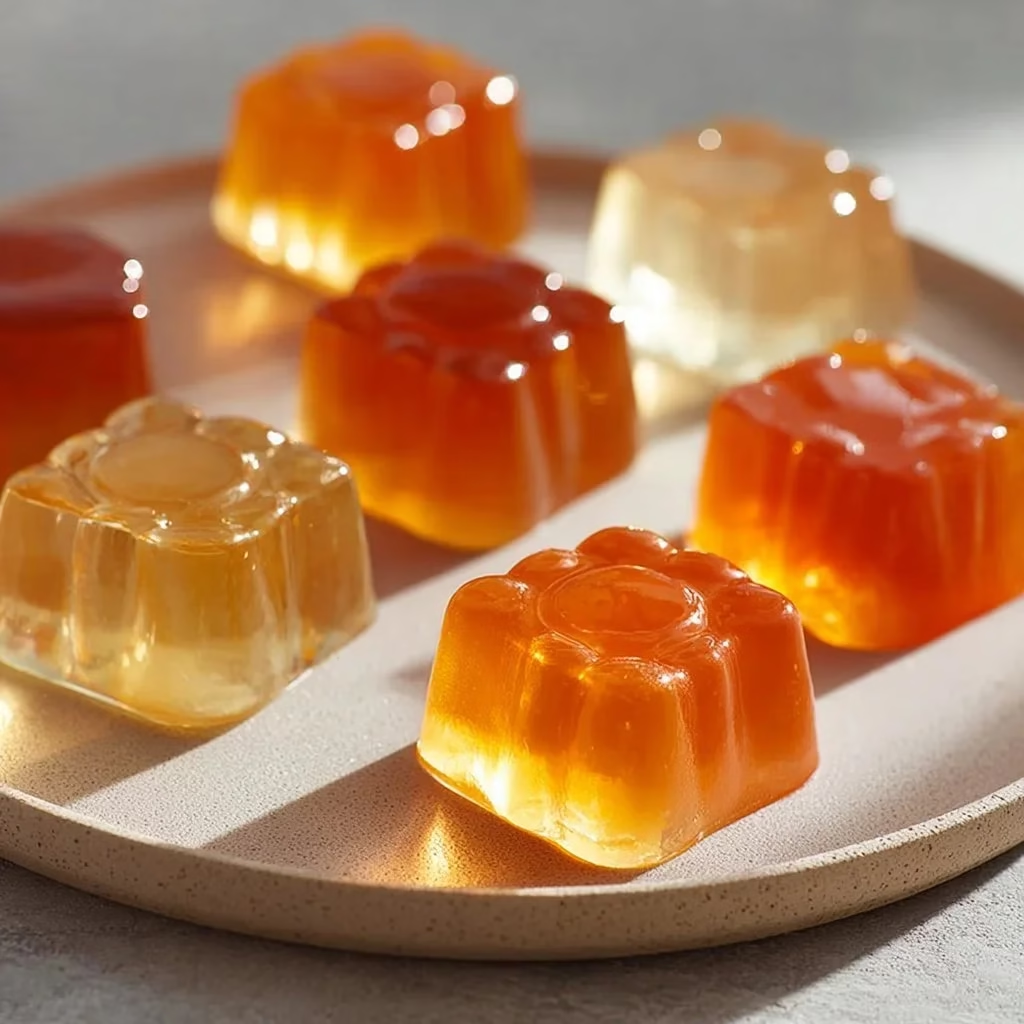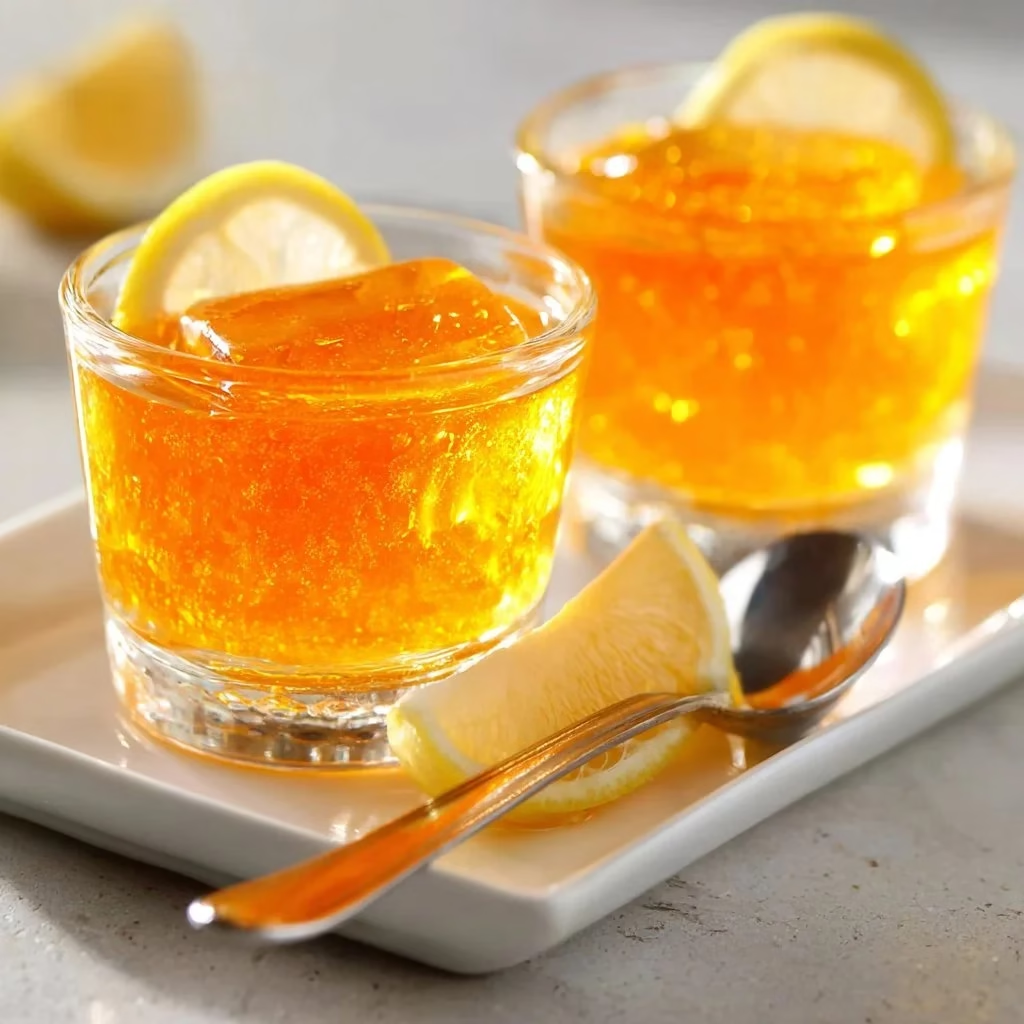
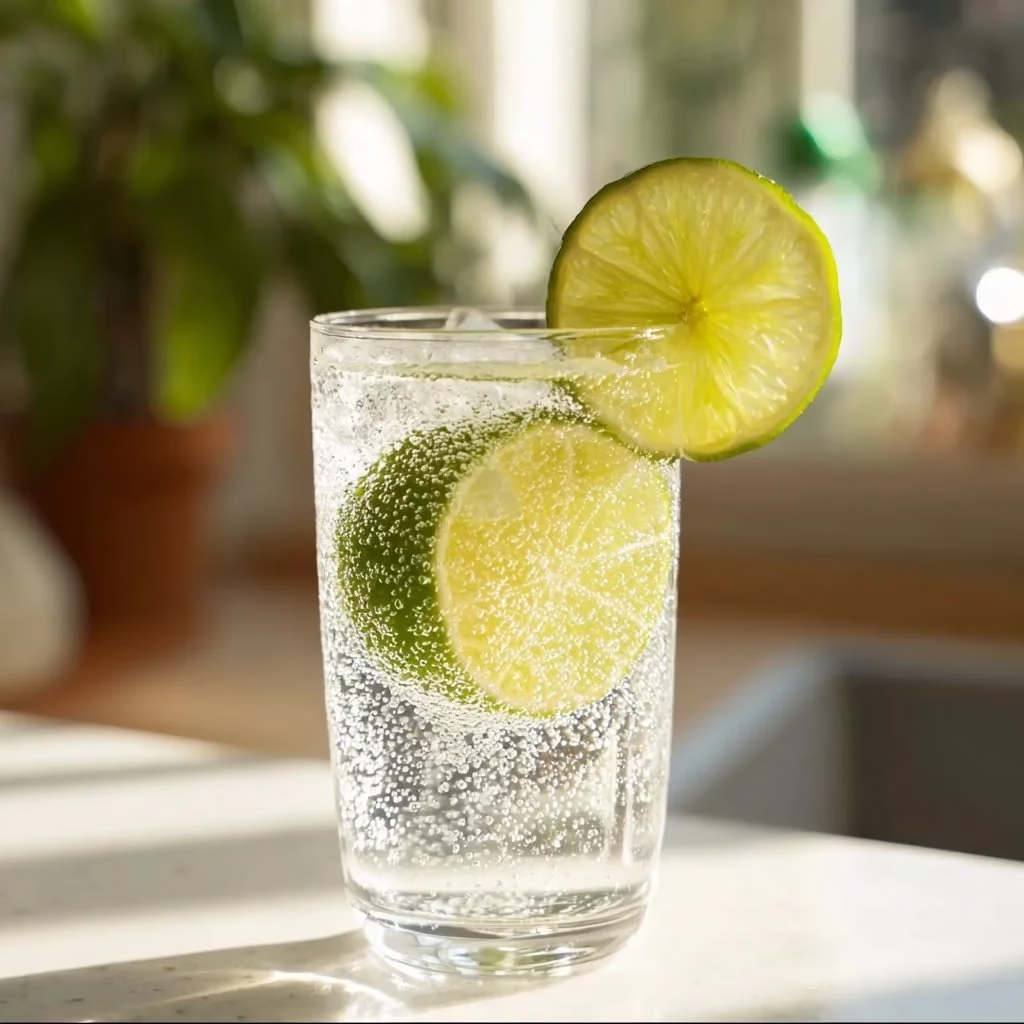
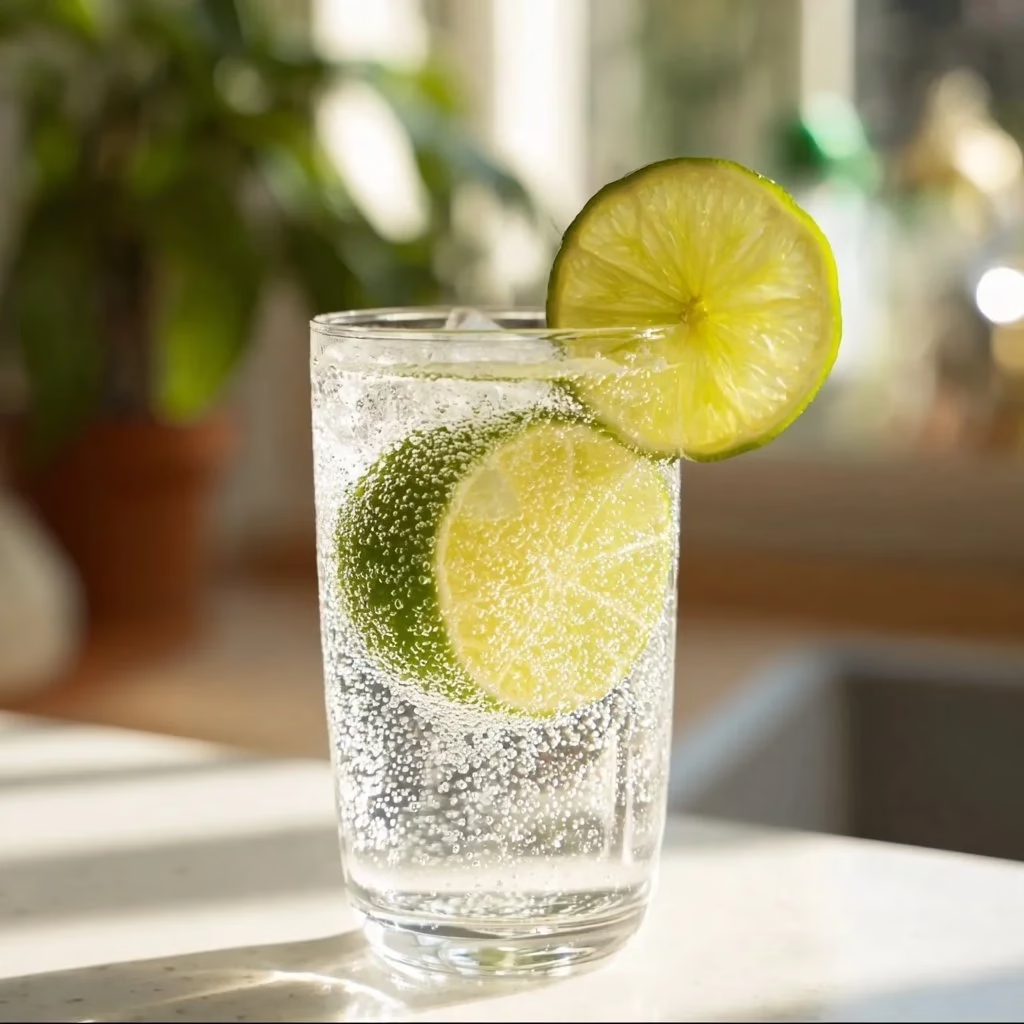
Prebiotic water is a simple, lightly flavored drink made by dissolving soluble fibers like inulin or oligofructose into water, often with lemon, cucumber, or mint for taste. People use it for weight loss because the prebiotic fibers feed beneficial gut bacteria, which can influence appetite, digestion, and metabolic signals. The mouthfeel is slightly silky from the dissolved fiber, the temperature is best served chilled, and the aroma is fresh when citrus or herbs are added. It tastes gently sweet or neutral depending on additions, and that subtle flavor makes it easy to sip throughout the day. If you want a low-calorie, gut-friendly swap for sugary beverages, this is worth trying today, and you might like pairing it with a small gelatin snack for satiety like the gelatin trick for weight loss.
What Is Prebiotic Water for Weight Loss?
Prebiotic water for weight loss is simply water infused with soluble prebiotic fibers such as inulin, oligofructose, or certain plant extracts that resist digestion in the upper gut and ferment in the colon. Those fibers are not digested into calories the same way sugars are; instead they act as food for specific gut microbes, which produce short-chain fatty acids and signaling molecules that can affect hunger and metabolic health.
Many people use this method as part of a broader approach to slimming because it supports hydration, may help increase fullness between meals, and can encourage a healthier gut microbiome profile over time. Small clinical and animal studies suggest prebiotic intake can influence weight-related outcomes, but results vary by fiber type, dose, and individual microbiome. For easy practical ideas on combining gut-friendly approaches with low-calorie treats, see this 3-ingredient gelatin recipe for weight loss which some people use alongside prebiotic beverages.
Why People Love This Method for Weight Loss
People appreciate prebiotic water because it is a low-effort, low-calorie addition to daily routines that may curb cravings and improve hydration simultaneously. It can be customized for flavor, is inexpensive compared with many supplements, and fits easily into morning or evening habits without a major time commitment.
- Easy ingredients: Most recipes use one simple prebiotic powder plus water and optional flavorings.
- Low cost: A small container of inulin or oligofructose lasts many servings.
- Fits routine: Sip it while working or between meals to replace sugary drinks.
- Helps cravings: The slight viscosity from fiber can promote early satiety.
- Hydration support: Encourages more water intake with pleasant taste options.
Ingredients
- Filtered water — base liquid for hydration and dilution; chilled for best refreshing taste.
- Inulin powder or oligofructose — the primary prebiotic fiber; start with small doses to assess tolerance.
- Fresh lemon slices — adds bright citrus flavor and vitamin C; substitute lime if preferred.
- Cucumber slices — cooling aroma and mild flavor; optional and hydrating.
- Fresh mint leaves — adds aromatic freshness; can be swapped for basil or rosemary.
- Optional grated ginger — adds warmth and a peppery note; skip if sensitive.
- Optional natural sweetener (stevia or monk fruit) — for extra sweetness without calories; avoid sugar to preserve low-calorie benefit.
How to Make It (Step-by-Step)
Overview: This recipe focuses on dissolving a prebiotic powder into warm water so it incorporates smoothly, then chilling the mixture for a refreshing beverage. You will learn how to balance temperature for dissolution, how long to steep the flavors, and simple tips to reduce bloating for beginners. The drink should be slightly viscous, cool on the palate, and lightly aromatic when citrus or herbs are included.
- Warm a cup of filtered water to about 110 to 120 degrees Fahrenheit (roughly 43 to 49 degrees Celsius). Pour the warm water into a heatproof glass or jar so the prebiotic powder dissolves more easily; you should feel gentle warmth, not hot steam.
- Stir in 1 to 2 teaspoons of inulin powder until fully dissolved, about 20 to 30 seconds; the solution will look slightly cloudy and feel a bit silky on the tongue. Beginners should start with 1 teaspoon to assess tolerance and avoid digestive upset.
- Add the dissolved mixture to 2 to 3 cups of cold filtered water and stir; this balances flavor and cools the drink quickly so it is pleasantly chilled. The temperature should be cool enough to be refreshing but not icy if you want the aroma to come through.
- Add slices of lemon and cucumber and a few mint leaves, then taste and adjust with a small pinch of stevia if desired; the aroma will be bright and citrusy. Let the mixture sit for 10 to 30 minutes in the refrigerator so flavors meld and the drink becomes crisp.
- Serve over ice for a cold, invigorating mouthfeel and a faint citrus scent; drink slowly to monitor fullness and any digestive response. Store leftovers in a sealed container in the fridge for up to 48 hours for best flavor.
- If you experience gas or bloating, reduce the dose by half and increase water volume; gradual introduction over several days helps the microbiome adapt. Keep a simple diary for a week to note how timing and dose affect your appetite and digestion.
How to Use It for Better Weight Loss
Use prebiotic water as a complementary habit alongside a balanced diet and regular activity; it is not a magic solution but can help reduce liquid calories and modestly influence appetite. Drink a glass before meals to test whether the slight viscosity reduces hunger and helps you consume fewer calories per meal. Combine with consistent protein, fiber-rich foods, and movement to support sustainable weight loss efforts. Monitor how your body responds over several weeks and adjust dose and timing to match your tolerance and hunger signals.
- Timing: Try 1 cup 15 to 30 minutes before a main meal to assess appetite suppression.
- Portions: Start with 1 teaspoon of prebiotic powder per 8 ounces of water; do not exceed recommended doses on the product label.
- Frequency: 1 to 3 servings per day is common; spread doses to avoid digestive discomfort.
- Daily habits: Replace a sugary beverage with prebiotic water to cut calories and support hydration.
- Safety: If you have IBS, SIBO, or a sensitive gut, consult your healthcare professional before regular use.
Tips & Variations
Prebiotic water is flexible: you can keep it super low-calorie or add flavors and botanicals for variety while maintaining benefits. Experiment with different prebiotic sources and flavors to find what your palate and digestive system tolerate best.
- Low-calorie option: Use lemon and mint only, with no sweetener.
- Flavor options: Try orange zest or a few berries for seasonal variation.
- Diet-friendly swaps: Use monk fruit instead of sugar for keto compatibility.
- Herbal infusion: Brew a mild green tea, cool it, then add dissolved prebiotic for antioxidant support.
- Cold brew: Make a larger batch and steep overnight for fuller flavor.
Mistakes to Avoid
While prebiotic water is straightforward, a few common errors can lead to discomfort or poor results; avoid overdoing the dose and be patient as your gut adapts. Always start small, mix thoroughly, and pay attention to how your body responds in the first two weeks.
- Using too much powder at once: Cut the dose in half and increase slowly to reduce gas and bloating.
- Mixing into very cold water first: Warm water helps dissolution; otherwise the powder can clump.
- Expecting immediate dramatic weight loss: Use it as a supporting habit, not a standalone cure.
- Skipping hydration monitoring: Drinking more fiber without increasing water can cause constipation; maintain good fluid intake.
- Ignoring medical conditions: If you are on medications or have digestive disorders, check with your provider.
FAQs
Q: Can I prepare prebiotic water ahead of time?
A: Yes, you can prepare large batches and refrigerate them for up to 48 hours for best flavor and texture. Over time the flavor may mellow and carbonation from fermentation is possible if stored too long, so use airtight containers and consume within two days.
Q: How should I store prebiotic water and for how long?
A: Store in the refrigerator in a sealed pitcher or jar for up to 48 hours; keep it cold to preserve freshness and minimize any natural fermentation. If you notice a sour smell or fizz, discard the batch and make a fresh one.
Q: What can I substitute if I do not have inulin?
A: Other soluble fibers like oligofructose or partially hydrolyzed guar gum can be used, but dosages and tolerance vary, so start low and consult product guidance. Natural sources like chicory root extract provide inulin as well.
Q: When is the best time to drink prebiotic water for weight support?
A: Many people find drinking a cup 15 to 30 minutes before a meal helps reduce hunger, while others prefer sipping between meals to replace sugary drinks. Test both approaches to see which fits your routine and hunger patterns.
Q: Is it safe to drink prebiotic water every day?
A: For most healthy adults, moderate daily use is safe, but some people experience increased gas or bloating initially; reduce dose and consult a healthcare professional if you have chronic digestive issues or are pregnant or breastfeeding.
Final Thoughts
Prebiotic water for weight loss is an easy, low-calorie way to support hydration and potentially influence appetite through gut microbiome interactions. It is adaptable, inexpensive, and can be flavored to suit individual tastes while replacing higher-calorie beverages. Results vary by person and depend on overall diet, activity, and the specific prebiotic used, so treat it as one tool in a broader plan. Try it and tell me how it worked for you!
Conclusion
If you want to explore clinical evidence about prebiotic and probiotic approaches to weight change, review the study on the effect of weight loss program using prebiotics and probiotics for detailed trial data. For balanced perspective on popular additions, consider this article that critically examines claims around apple cider vinegar. To read about how prebiotic feeding can alter gut microbiota and weight in experimental settings, see the research on active phase prebiotic feeding. For insights into how prebiotics might interact with certain medications and metabolic effects, review the article on prebiotic intake and olanzapine-mediated weight gain. For a practical hospital-based perspective on prebiotic beverages and products, check the overview titled Are Prebiotic Sodas Good for Your Health?
The information provided in this article is for educational purposes only and should not be considered medical advice. Everyone’s body is different, and what works for one person may not work for another. It’s always best to speak with your healthcare provider before making this a daily habit, especially if you are taking medications, managing a medical condition, or are pregnant or breastfeeding. Always consult your doctor for personalized guidance.
PrintPrebiotic Water for Weight Loss
A refreshing, low-calorie drink infused with prebiotic fibers to support gut health and hydration.
- Prep Time: 5 minutes
- Cook Time: 0 minutes
- Total Time: 5 minutes
- Yield: 2 servings
- Category: Beverage
- Method: Mixing
- Cuisine: Healthy
- Diet: Low-Calorie, Vegetarian
Ingredients
- Filtered water — base liquid; chilled for best taste
- Inulin powder or oligofructose — primary prebiotic fiber
- Fresh lemon slices — for bright citrus flavor
- Cucumber slices — optional, for mild flavor
- Fresh mint leaves — for aromatic freshness
- Optional grated ginger — for warmth and flavor
- Optional natural sweetener (stevia or monk fruit) — for extra sweetness
Instructions
- Warm a cup of filtered water to about 110 to 120 degrees Fahrenheit.
- Pour the warm water into a heatproof glass, then stir in 1 to 2 teaspoons of inulin powder until fully dissolved.
- Add the dissolved mixture to 2 to 3 cups of cold filtered water and stir.
- Incorporate slices of lemon and cucumber, and a few mint leaves; adjust sweetness with stevia if desired.
- Let the mixture sit in the refrigerator for 10 to 30 minutes.
- Serve over ice and enjoy slowly.
Notes
Start with small doses of prebiotic powder to assess tolerance. Store leftovers in a sealed container in the fridge for up to 48 hours.
Nutrition
- Serving Size: 1 serving
- Calories: 20
- Sugar: 0g
- Sodium: 5mg
- Fat: 0g
- Saturated Fat: 0g
- Unsaturated Fat: 0g
- Trans Fat: 0g
- Carbohydrates: 5g
- Fiber: 4g
- Protein: 0g
- Cholesterol: 0mg
Keywords: prebiotic water, weight loss, hydration, gut health, low-calorie drink